
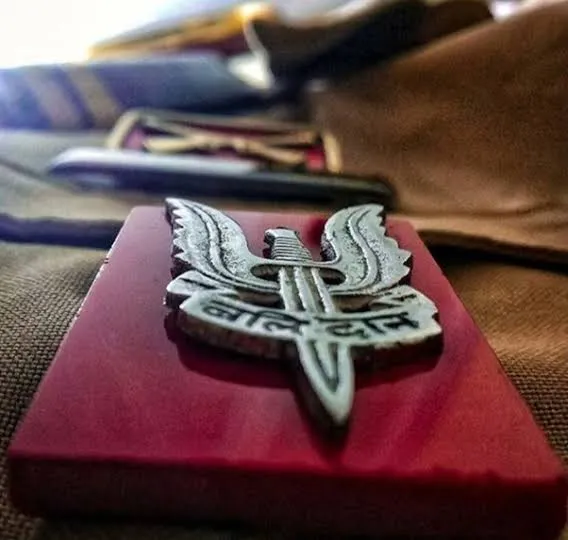
The Para Special Forces (Para SF) are the elite special operations units of the Indian Army. These commandos undertake some of the military’s most demanding missions, including counter-terrorism, hostage rescue, special reconnaissance, and cross-border operations.
Unlike many civilian professions, this role exists exclusively within the Government sector, specifically under the Indian Army. Compensation is therefore governed by the 7th Central Pay Commission (CPC) pay matrix, Military Service Pay (MSP), and various operational allowances approved by the Ministry of Defence.
This guide explains how compensation works in 2026, including rank-wise pay, special forces allowances, career progression, deductions, benefits, and the path to joining the Para SF.
Who Is a Para SF Commando?
A Para SF Commando is a volunteer soldier or officer of the Indian Army who successfully completes one of the toughest military selection processes in India and joins a Para Special Forces battalion.
Their responsibilities may include:
- Counter-terrorism operations
- Strategic reconnaissance
- Direct action missions
- Hostage rescue
- High-altitude warfare
- Counter-insurgency operations
- Special intelligence gathering
Personnel can come from both the Officer cadre and the JCO/Other Ranks (OR) cadre, but all must clear Para SF probation and training requirements.
Government Sector Salary Structure (Indian Army Para SF)
Since Para SF is an Indian Army role, the pay structure follows the official Defence Pay Matrix under the 7th CPC.
Core Salary Components
| Component | Amount / Structure | Source |
| Basic Pay | Based on rank and Pay Matrix Level | 7th CPC Defence Pay Matrix |
| Military Service Pay (MSP) | ₹15,500/month for officers; separate provisions for JCO/OR | Ministry of Defence |
| Dearness Allowance (DA) | Variable; revised periodically by Government of India | Central Government DA notifications |
| Special Forces Allowance | ₹25,000/month for Para SF personnel | MoD Allowance Orders |
| Field Area / High Altitude Allowance | Depends on posting location | MoD Risk & Hardship Matrix |
| Siachen Allowance | Up to ₹42,500/month for eligible postings | MoD Risk & Hardship Matrix |
| Transport Allowance | Based on posting category | Central Government Rules |
| Ration and Clothing Benefits | In-kind or regulated benefits | Defence Service Regulations |
Special Forces Allowance of ₹25,000 per month is one of the key additions available to Para SF personnel. The allowance is linked to government orders and may be revised whenever prescribed DA thresholds trigger allowance revisions.
Rank-Wise Basic Pay (2026)
JCO and Other Ranks (OR)
| Rank | Pay Level | Basic Pay Range |
| Sepoy | Level 3 | ₹21,700 – ₹69,100 |
| Lance Naik | Level 3 | ₹21,700 – ₹69,100 |
| Naik | Level 4 | ₹25,500 – ₹81,100 |
| Havildar | Level 5 | ₹29,200 – ₹92,300 |
| Naib Subedar | Level 6 | ₹35,400 – ₹1,12,400 |
| Subedar | Level 7 | ₹44,900 – ₹1,42,400 |
| Subedar Major | Level 8 | ₹47,600 – ₹1,51,100 |
Source: Defence Pay Matrix under the 7th CPC.
Officer Ranks
| Rank | Pay Level | Basic Pay |
| Lieutenant | Level 10 | ₹56,100+ |
| Captain | Level 10B | ₹61,300+ |
| Major | Level 11 | ₹69,400+ |
| Lieutenant Colonel | Level 12A | ₹1,21,200+ |
| Colonel | Level 13 | ₹1,30,600+ |
| Brigadier | Level 13A | ₹1,39,600+ |
Source: Defence Pay Matrix (7th CPC).
Pay Variation by Posting Location
Unlike most careers, location affects earnings primarily through operational allowances rather than local labor markets.
| Posting Type | Typical Additional Allowances |
| Peace Station | Standard pay and allowances |
| Field Area | Field Area Allowance |
| Counter-Insurgency Zone | Risk & Hardship Allowance |
| High Altitude Area | High Altitude Allowance |
| Siachen Glacier | Siachen Allowance |
| Active Operational Areas | Risk & Hardship Matrix benefits |
Examples from official allowance structures include:
| Allowance | Officer Rate |
| Field Area Allowance | ₹10,500/month |
| Highly Active Field Area Allowance | ₹16,900/month |
| High Altitude Allowance (Cat III) | ₹25,000/month |
| Siachen Allowance | ₹42,500/month |
These allowances vary by posting category and are not guaranteed throughout a career.
Salary Comparison by Seniority
Para SF commando salary allowances fluctuate significantly, comparing approximate gross earning potential by career stage is often more useful than comparing only basic pay.
| Career Stage | Typical Monthly Compensation Range* |
| Sepoy (Para SF) | ₹45,000 – ₹70,000 |
| Havildar | ₹55,000 – ₹85,000 |
| Naib Subedar / Subedar | ₹65,000 – ₹1,05,000 |
| Lieutenant / Captain | ₹75,000 – ₹1,25,000 |
| Major | ₹1.1 lakh – ₹1.4 lakh |
| Lieutenant Colonel | ₹1.5 lakh – ₹1.9 lakh |
| Colonel and Above | ₹1.7 lakh+ |
*Approximate gross compensation including common allowances. Actual earnings depend heavily on posting location, DA rates, and operational allowances.
Career Progression and Advancement Path
Promotion timelines vary based on vacancies, performance, service record, and Army promotion policies.
Soldier Route
| Stage | Typical Progression |
| Sepoy | Entry |
| Lance Naik | Merit and service-based |
| Naik | Promotion board |
| Havildar | Senior NCO |
| Naib Subedar | JCO Rank |
| Subedar | Senior JCO |
| Subedar Major | Highest JCO rank |
Officer Route
| Stage | Typical Progression |
| Lieutenant | Commissioned Officer |
| Captain | Time-scale promotion |
| Major | Mid-level leadership |
| Lieutenant Colonel | Unit leadership roles |
| Colonel | Senior command |
| Brigadier and Above | Higher command appointments |
A Para SF soldier or officer generally follows the same rank structure as the wider Indian Army while continuing to receive special forces-related allowances when serving in eligible appointments.
Benefits and Perks
Beyond monthly pay, Para SF personnel receive several government-backed benefits.
Financial Benefits
- Military Service Pay (MSP)
- Special Forces Allowance
- Field and hardship allowances
- Leave Travel Concession (LTC)
- Ration benefits
- Canteen facilities
Long-Term Benefits
- Pension benefits under applicable rules
- National Pension System (NPS) for eligible personnel
- Army Group Insurance Fund (AGIF)
- Medical facilities through Armed Forces healthcare systems
- Education support schemes for dependents
Non-Financial Benefits
- Elite military training
- Leadership development
- Specialized qualifications
- Opportunities for foreign exercises and joint training
Deductions and Take-Home Considerations
Gross pay and take-home pay are not the same.
Common deductions include:
| Deduction | Notes |
| Income Tax | Based on applicable Indian tax regime |
| NPS Contribution | For eligible personnel |
| AGIF Contribution | Army insurance scheme |
| Mess Charges | Depending on posting |
| Other Recoveries | As applicable |
Income Tax (India)
For FY 2026-27, income tax liability depends on:
- Chosen tax regime
- Annual taxable income
- Eligible deductions and exemptions
- Operational allowances that may have special treatment under tax rules
Personnel should refer to the official Income Tax Department for current rates and exemptions.
How to Enter This Field
Soldier Entry Route
Candidates generally join the Indian Army through recruitment rallies or Agniveer entries and later volunteer for Para Regiment selection.
Requirements typically include:
- Indian citizenship
- Medical fitness
- Physical fitness standards
- Successful Army recruitment process
Officer Entry Route
Common commissioning routes include:
- NDA (National Defence Academy)
- CDS (Combined Defence Services)
- Technical Entry Schemes
- Other officer-entry programs
After joining the Army, officers may volunteer for Para Regiment and subsequently attempt Para SF probation.
Selection Reality
The Para SF probation process has a very high attrition rate. Not everyone who volunteers successfully qualifies. Physical fitness, mental resilience, and operational performance play major roles in selection.
Should You Choose This Career?
This profession is not primarily chosen for financial reasons. While the compensation package is competitive within government service, the work involves significant physical risk, demanding training, and long operational commitments.
For candidates seeking adventure, military leadership, and special operations work, the career can be highly rewarding. For those prioritizing predictable work schedules, family time, or rapid private-sector salary growth, other professions may be a better fit. The financial package is strong, but it reflects the unique demands of the role.
FAQs
Is Para SF paid more than regular Army personnel?
Yes. Eligible personnel receive Special Forces Allowance in addition to normal Army pay and allowances.
What is the Special Forces Allowance in 2026?
The officially approved Special Forces Allowance is ₹25,000 per month for eligible Para SF personnel.
Can an officer join Para SF directly?
No. Officers first join the Indian Army through a commissioning route and then volunteer for Para SF selection and probation.
Do commandos receive extra pay in operational areas?
Yes. Depending on location, personnel may receive field, high-altitude, counter-insurgency, hardship, or Siachen-related allowances.
Is the Special Forces Allowance permanent?
It is generally linked to eligible Para SF appointments and service conditions. It is not automatically payable after transfer out of qualifying assignments.
What rank earns the highest compensation?
Senior officers such as Colonels, Brigadiers, and higher commanders receive the highest pay under the Army pay matrix, especially when combined with operational allowances.
Conclusion
Para SF personnel are among the most highly trained soldiers in the Indian Armed Forces, and their compensation reflects the demands and risks of the role. Earnings are built from basic pay, Military Service Pay, Special Forces Allowance, and operational benefits rather than a single salary figure. Anyone considering this path should evaluate both the financial rewards and the exceptional commitment required to serve in India’s special operations community.